

Culture Academy e. V.
Since 2005, Culture Academy has brought people into movement and learning through playful, innovative bodywork grounded in educational and scientific standards. (→ History) We run movement activities within cultural education and continually develop them through practice-oriented research.
As a non-profit non-governmental organisation (NGO/NRO) with an »education and movement« profile, we bring together sport, culture and science for holistic humanistic education for children, young people and adults in physical and digital spaces.

Martial Arts as an Educational Resource
Our work has been inspired from the outset by the Roda da Capoeira (Portuguese for capoeira circle), recognised as UNESCO World Heritage in 2015. We understand moving together as enjoyment and a learning experience beyond winning and losing. In an appropriate educational setting, the particular existential challenges of martial arts are a tool for personal growth and accessible educational processes. Combat practices open a space for encounter that connects people across ages, genders and social groups, empowering them to embrace community and democracy with courage. Physical practice under trained guidance is central to this approach.

Interdisciplinary Training
Based on our research in the globalised field of movement and sport, we structure our training across disciplines. Alongside contemporary developments in mixed martial arts, we follow an interconnected practice that continually develops and makes stylistic boundaries obsolete. The focus is on learning and real-world relevance, not self-referential traditionalism or profit-driven self-aggrandisement.

Philosophy
We uphold the motto of the Enlightenment, which Immanuel Kant expressed in a way that resonates with the emotional dimension of martial arts: »Have the courage to use your own understanding!«, in Latin »Sapere aude!«, ( Citation: Kant 17841999, S. 20 Kant, I. (1784, 1999). Was Ist Aufklärung?. InBrandt, H. (Eds.), Was ist aufklärung? : Ausgewählte kleine schriften. (pp. 20–26). Meiner. ) Accordingly, we understand the educational and emotional work of shared physical practice as a project of enlightenment. We uphold a democracy-oriented ethical standard to support inclusive participation and aim to develop it into an open standard for civil society and educational institutions.
Team and Structure
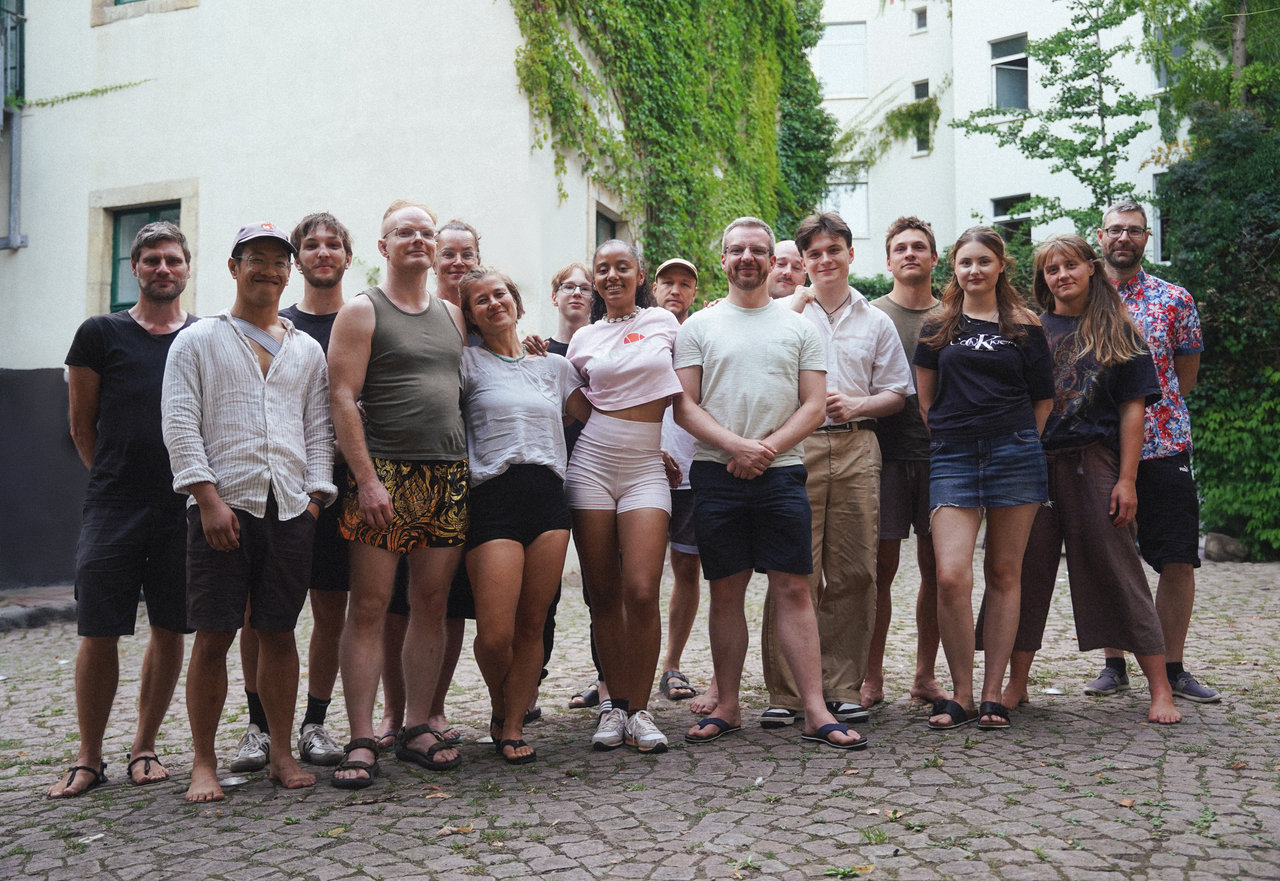
We organise training and association life as equals. We are critical of hierarchy and follow participatory processes of shared decision-making and collective learning. Together with experienced teachers with an educational focus, we put the principle of learning from one another (»Each one teach one.«) into practice in small groups, allowing established knowledge to meet fresh ideas. A coaching collective of more than twenty volunteers now organises our shared training programme and its ongoing development.
Andre Triebe
Annabell Kursawe

Christian Köhler-Warmbrunn
Daniel Wojahn
Fabienne Marschall

Friedrich Bahr
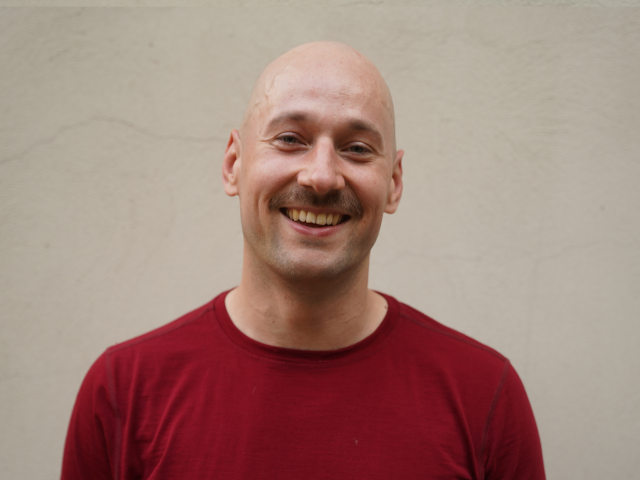
Fynn Dauer

Huy Do Ngoc

Jakob Klippstein
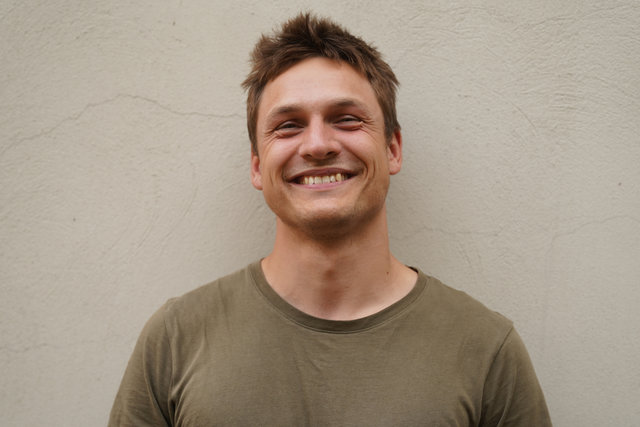
Marmar Fattah
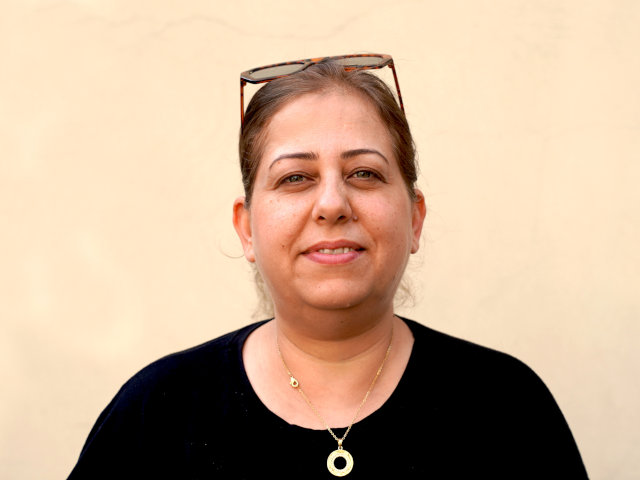
Martin Bissinger
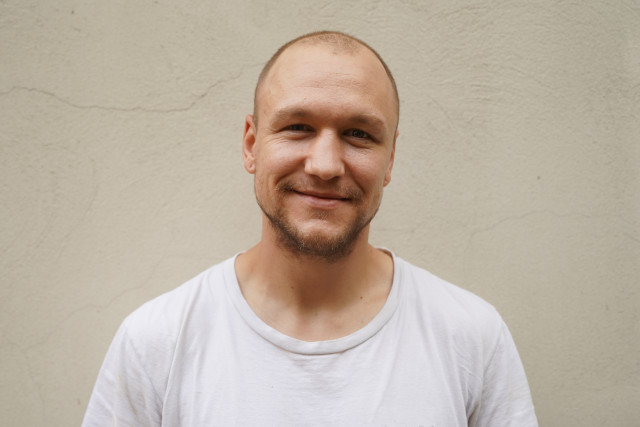
Max Behrbalk

Nadin Warmbrunn
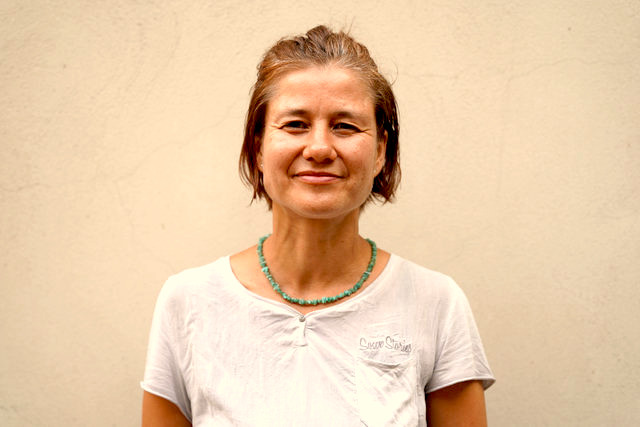
Oscar Köhler

Richard Linke
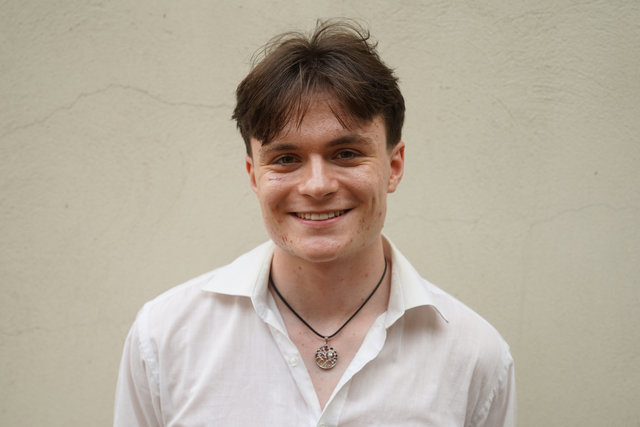
Ronn Müller
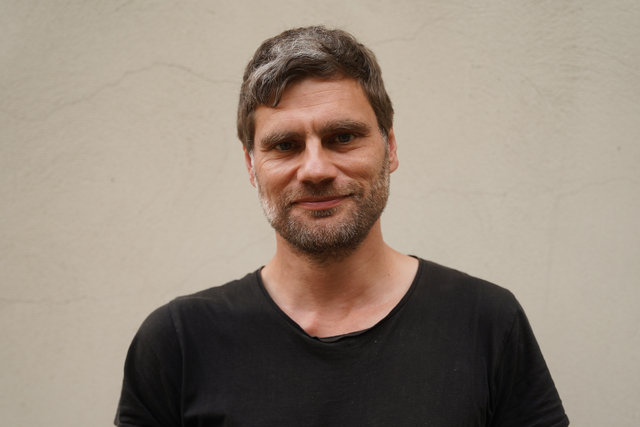
Literature
-
- Kant, I. (1784, 1999). Was Ist Aufklärung?. InBrandt, H. (Eds.), Was ist aufklärung? : Ausgewählte kleine schriften. (pp. 20–26). Meiner.